
Phase Change Materials (PCM) represent a different approach to thermal comfort than traditional insulation.
Conventional insulation helps reduce heat loss by trapping still air. PCM does not increase insulation in the same way. Instead, it helps moderate temperature fluctuations by temporarily absorbing and releasing heat as conditions change.
For products exposed to changing temperatures or varying activity levels, PCM can contribute to a more stable and comfortable microclimate.
A Phase Change Material is a substance that absorbs and releases thermal energy as it changes between solid and liquid states.
When the surrounding temperature rises, the PCM absorbs excess heat by changing phase.
As the temperature falls, the stored heat is gradually released as the material returns to its original state.
This process helps reduce sudden temperature changes experienced by the wearer.
One of the most common misconceptions is that PCM actively heats or cools the body.
It does neither.
PCM simply stores excess thermal energy when it is available and releases it again when conditions change.
For this reason, PCM is better described as temperature regulating rather than heating or cooling.
Body temperature constantly changes throughout the day.
Activity level, weather conditions and indoor environments all influence how warm or cool a person feels.
Traditional insulation slows heat loss but cannot respond dynamically to these changes.
PCM helps buffer short-term temperature fluctuations, creating a more stable microclimate between the body and the product.
For many users, this contributes to improved comfort rather than simply increased warmth.
PCM is most effective in products where temperature conditions change frequently.
Typical examples include:
In these applications, the user may repeatedly alternate between periods of activity and rest or move between different environments.
PCM should not be viewed as an alternative to insulation.
Instead, the two technologies perform different functions.
Traditional insulation slows heat transfer.
PCM helps regulate temperature fluctuations.
Many advanced textile products combine both technologies to improve overall comfort.
MEIDA Clima incorporates PCM technology to help regulate temperature fluctuations throughout use.
Rather than focusing on achieving the highest insulation value, MEIDA Clima is designed to improve sleeping comfort by helping reduce overheating while also releasing stored heat as body temperature falls.
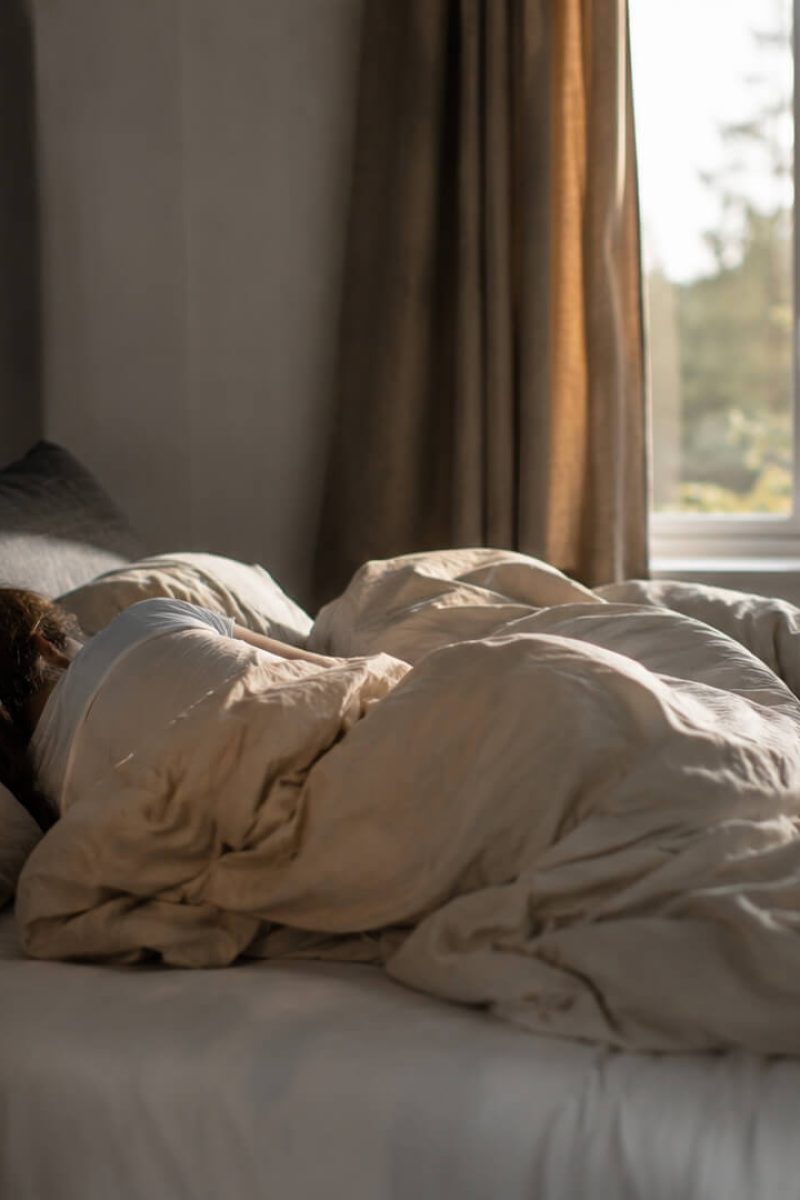
This makes it particularly suitable for bedding products where maintaining a stable sleeping climate is often more important than increasing insulation.
The same technology can also be applied in apparel where temperature regulation is a key design objective.
Although closely related, thermal insulation and temperature regulation solve different challenges.
Choose traditional insulation when the primary objective is:
Choose PCM when the primary objective is:
Many products benefit from combining both approaches.
PCM stands for Phase Change Material, a technology that absorbs and releases thermal energy during temperature changes.
PCM temporarily stores excess heat as it changes phase and releases that heat again as temperatures decrease.
Not directly. PCM helps regulate temperature by reducing fluctuations rather than generating heat.
PCM does not actively cool the body. It absorbs excess heat when temperatures rise and releases it later as conditions change.
They serve different purposes. Insulation reduces heat loss, while PCM helps stabilise temperature.
No. PCM is designed to complement insulation rather than replace it.
PCM is used in bedding, apparel, footwear, protective clothing and other products where thermal comfort is important.
PCM is most effective when temperatures move within the activation range of the material.
PCM can help reduce short-term overheating by absorbing excess heat, but it cannot eliminate overheating under all conditions.
As temperatures decrease, PCM releases previously stored heat, helping moderate temperature changes.
Yes. Bedding is one of the most common applications because sleeping comfort is closely linked to temperature stability.
Yes. PCM is used in garments designed for changing environments or varying activity levels.
PCM itself is not a measure of breathability. Overall comfort depends on the complete textile construction.
Modern PCM technologies are developed for repeated use, but washing performance depends on the specific product construction.
Cooling fabrics generally increase heat dissipation, while PCM temporarily stores and releases thermal energy.
MEIDA Clima incorporates PCM technology for active temperature regulation.
They are designed for different purposes. MEIDA Original focuses on thermal insulation, while MEIDA Clima focuses on temperature regulation.
Many bedding products use PCM to help reduce temperature fluctuations during sleep, contributing to a more stable sleeping environment.
Yes. Many advanced textile products combine insulation and PCM to achieve both warmth and temperature regulation.
PCM is particularly suitable when maintaining a stable temperature is more important than simply increasing insulation.
Whether you’re developing apparel, footwear, gloves or bedding, our specialists are ready to help.